top of page
FLIES
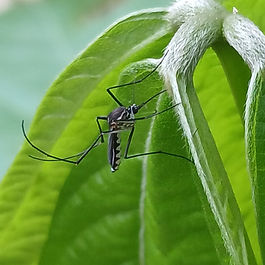
Armigeres subalbatus. A zoophilic mosquito (female). Sitio Teril, Kapatagan. The larvae are carnivorous and can be found in any waterlogged place. Adults are more confined to dark areas and are active mostly in crepuscular periods. Females are primarily human-biters and is a natural vector for filarial worms such as zoonotic Brugia pahangi and Wuchereria bancrofti which cause filariasis to humans.

Dolichopodidae sp. (Long-legged Fly)
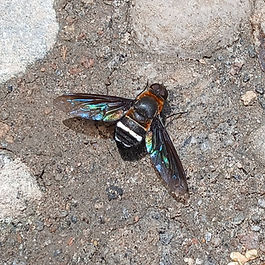
Ligyra tantalus. Beefly. Strawberry Farm, Tupi. Adults feed on flower nectar and pollen and therefore may play an important role in pollination. Most bee flies are parasites, feeding externally on bee and wasp larvae. Even the larvae may feed on other parasites.

Plagiozopelma sps. Long-legged fly. Sitio Teril, Kapatagan.
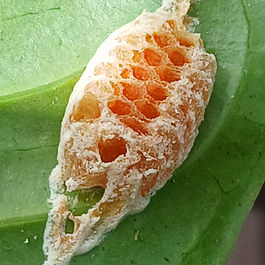
Pterygota. Winged and once winged insects. This is a Praying Mantis egg case called "ootheca". It is a foam-like structure that hardens to protect the young and is created by the female, The case can contain between 50 and 400 eggs depending on the species and they may be attached to plant stems, twigs, fences or walls.. In this case a leaf blade. When hatching the young disperse quickly, feeding on small soft bodied insects, like aphids, they can also be cannibilistic. Eating aphids of course means they are beneficial to the Gardener.

Statilia species. Asian Jumping Mantis. Winged and once winged insect. Ruparan, Digos. Often found in gardens and shrubby areas. The nymphs are more elongated and slender, perhaps as this one.

Tipulodina species. Cranefly. Sitio Teril, Kapatagan. Associated with moist and shaded environment and larval stages are usually aquatic or semiaquatic.

Xenaspoides ichneumoneus. Digos City 1

Bactrocera albistrigata - White Striped Fruit Fly. A study, probably in the United States of America by the 'Animal and Plant Health Inspection Service' from the USA show the host fruits known for this fly to live on. The following are all plants on the list that I have identified in Mindanao has possible hosts: Artocarpus heterophyllus (Jackfruit), Averrhoa carambola (Starfruit), Mangifera indica (Mango), Psidium guajava (Guava), Syzgium samarangense (Java-apple or Wax apple), Terminalia catappa (Tropical Almond) and Terminalia procera (White Bombway).

Hermetia illucens (Black soldier fly). The larvae are very beneficial as they help break down organic substrates. I found them in my compost heap. They also eat larvae of other species such as houseflies and bow flies. They are not harmful to humans, do not bite or sting, nor carry disease.

Micropezidae sp

Plecia species, Lovebugs, Sitio Teril, Kapatagan. Harmless to humans, they do not bite or sting nor carry disease and break down decaying vegetation turning it into soil nutrients. Large swarms however can be a nuisance though I have no experience of that here.

Rhiniidae-Nosefly. Sitio Teril, Kapatagan. June 2024. The protruding lower face gives this fly its name. Adults frequently visit flowers so are good pollinators of plants while some species have larvae that associate with termites, grasshoppers, locusts and terrestrial snails acting as parasitoids.

Telostylus species. Cactus Fly or Banana Stalk Fly. They inhabit tropical rainforest and associated disturbed forest edges and prefer moist shaded microhabitats near streams and small watercourses, avoiding open or arid areas from sea level to 1000m. For more information there is a very detailed online write up on this species by Grokipedia.

Ulidiidae species. Picture Winged Fly. Sitio Teril, Kapatagan. Most species are herbivores or detritivores, many larvae feeding on decaying organic matter.

Xenaspoides ichneumoneus. Digos City 2
bottom of page